Beginner Yoga in Brunswick: Your First Class
If you are searching for beginner yoga in Brunswick, you do not need to be flexible, fit or experienced to get started. Yoga can be adapted to different abilities, and your first class is an opportunity to learn the basics, move at your own pace and become more comfortable with the practice.
At Summer Healing Society, located at 878a Sydney Road in Brunswick, you can explore different yoga styles and find a class that suits your preferences and experience level.
This guide explains which yoga style to consider, what to bring, what happens in your first class, and how to book your visit.
Key Takeaways for Your First Yoga Class
Beginners can explore styles such as Hatha, Vinyasa, Yin and Restorative yoga.
Wear comfortable clothes, bring water and aim to arrive 10–15 minutes before class.
Tell your teacher about any injury, pregnancy or health condition that may affect your practice.
You do not need to perform every pose. Rest and modifications are part of a sensible practice.
Check the timetable and book your class in advance.

Is Beginner Yoga in Brunswick Right for You?
Yoga is a non-competitive physical practice that combines movement, breathing and relaxation. It can be adapted to different experience levels, so you do not need to touch your toes or master difficult poses before attending your first class.
The Victorian Government's Better Health Channel guide to yoga explains that yoga includes different styles and that classes can accommodate beginners as well as more experienced students.
A suitable beginner class should give you time to learn the movements, understand the teacher's instructions and modify poses when needed.
At Summer Healing, you can explore the studio's available yoga classes and choose a session that fits your comfort level.
Visit our Brunswick yoga and wellness studio to learn more about the location and facilities.
Which Yoga Style Should Beginners Choose?
Choosing the right style can make your first yoga experience more comfortable. The pace, poses and overall atmosphere vary between classes, so consider what you want from your practice.
Summer Healing offers Vinyasa, Yin and Restorative yoga. Check the current class descriptions and timetable to choose an appropriate session.
1. Vinyasa Yoga
Vinyasa links movement with breathing, creating a flowing sequence of poses. Depending on the teacher and class, the pace may be gentle or more physically demanding.
If you are new to yoga, check the class description and ask the studio which session is suitable for beginners.
You can also read our guide to Vinyasa vs Hatha yoga to understand the differences.
2. Yin Yoga
Yin yoga generally involves slower, floor-based poses held for longer periods. It may appeal to people who prefer a quieter practice with less continuous movement.
Long-held poses may not suit everyone, particularly people with certain joint concerns or injuries. Modify positions and seek professional advice if you are unsure what is appropriate.
Read more about Yin yoga safety and long-held poses.
3 Restorative Yoga
Restorative yoga uses supported, gentle positions to encourage rest and relaxation. Props may be used to support the body and reduce the effort required to maintain a pose.
If you prefer a slower class, check the timetable for available Restorative sessions.
Should Beginners Try Heated Yoga?
Heated yoga takes place in a warm room and may feel more physically demanding than a room-temperature class.
The US National Center for Complementary and Integrative Health (NCCIH) notes that hot yoga carries risks of overheating and dehydration. If you are new to yoga, consider starting with a room-temperature class before deciding whether a heated session is right for you.
If you choose a heated class, follow the instructor's guidance, drink water and leave the session if you feel unwell.
What to Wear and Bring to Your First Yoga Class
Preparing for beginner yoga in Brunswick is straightforward. A few simple steps can help you arrive feeling comfortable and ready to participate.
Wear comfortable clothing
Choose clothes that allow you to bend, stretch and move without restriction. You do not need specialised yoga clothing to attend your first class.
Bring water
Bring a bottle of water, particularly if you plan to attend a heated session. Drink according to your needs and follow the studio's instructions about bringing water into the practice space.
Check equipment arrangements
Summer Healing's published information states that yoga mats and class equipment are supplied. Towel hire is not available, so bring your own towel if you would like one, especially for a heated class.
If you have specific equipment needs, confirm arrangements with the studio before your visit.
Arrive 10–15 minutes early
Arriving early gives you time to check in, find the practice area and introduce yourself to the teacher. Let the teacher know that it is your first class so you can ask about suitable modifications.
Tell your teacher about health concerns
Before class begins, mention any relevant injury, recent surgery, pregnancy or health condition. This helps you and your instructor discuss whether you may need modifications.
If you are unsure whether yoga is appropriate for your circumstances, seek advice from a qualified healthcare professional first.
What Happens During a Beginner Yoga Class?
Every teacher and class is different, but a typical yoga session may include gentle movement, breathing exercises, a sequence of poses and a period of relaxation.
Here is what you can generally expect.
1. Arriving and getting settled
You check in, find your space and prepare your mat. Tell the teacher if you are new to yoga or have concerns about particular movements.
2. Gentle movements and breathing
A class may begin with gentle poses and breathing exercises to help you settle into the practice.
Follow the instructor's guidance and take your time learning the movements rather than trying to keep up with more experienced students.
3. The main sequence
The teacher guides the class through a series of poses. Depending on the style, you may hold individual postures or move between them in a flowing sequence.
Use modifications when offered, and only move as far as feels comfortable. You can skip a pose or rest when needed.
4. Relaxation
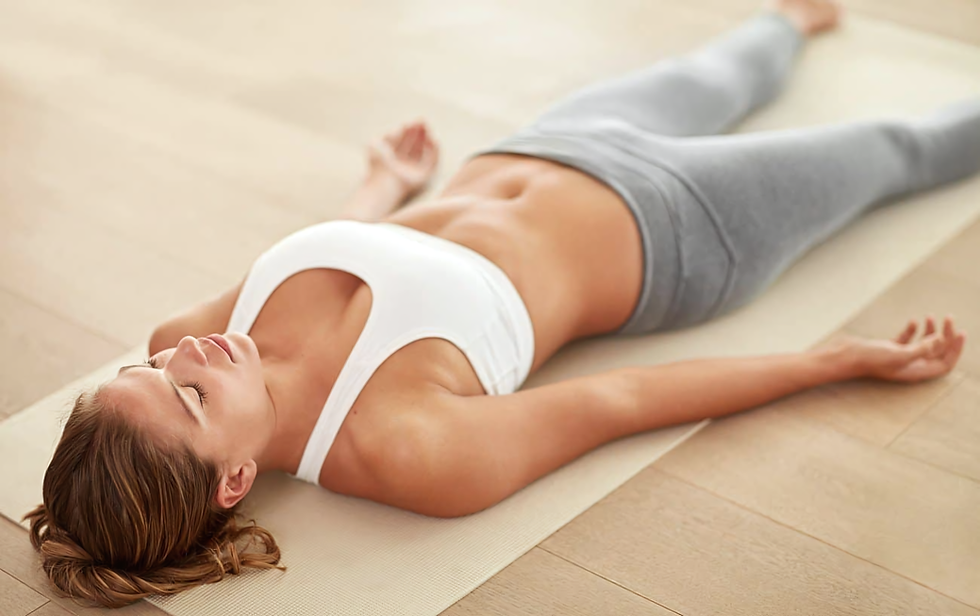
Many yoga classes finish with a period of relaxation. This gives you time to rest and conclude the practice before returning to your day.
5. Finishing the class
Take your time getting up, drink some water and ask the teacher questions if anything was unclear.
Remember that your first class is about learning and becoming familiar with the practice, not getting every pose right.
Common Concerns About Starting Yoga
"I'm not flexible enough."
You do not need to be flexible before starting yoga. Flexibility can change with regular practice, but it is not a requirement for participating.
Your teacher may offer easier versions of poses or ways to use props for support.
"Everyone else will be better than me."
Yoga is not a competition. Other students may have different levels of experience, but your attention should remain on your own movements, breathing and comfort.
Choose a suitable class and allow yourself time to learn.
"What if I cannot do a pose?"
You can take a simpler option, rest or leave out a pose that does not feel right. Do not force your body into a position to match other students.
A pose should not cause pain. If you experience pain, ease out of the position and ask your teacher for guidance.
"Can I get injured doing yoga?"
Yoga is generally considered safe for healthy people when practised appropriately, but injuries can happen. The NCCIH identifies sprains and strains among the more common yoga-related injuries.
Move within your limits, follow qualified instruction and avoid attempting advanced positions before you are ready.
Is Beginner Yoga Safe?
For many healthy adults, yoga can be a suitable form of physical activity. However, the appropriate style and level of intensity depend on individual circumstances.
The NCCIH guide to yoga effectiveness and safety recommends learning with an appropriately qualified instructor and taking precautions when practising more challenging poses.
Consider the following precautions:
Existing medical conditions: Speak with a healthcare professional if you have a condition that could affect your ability to exercise safely.
Injuries or recent surgery: Ask your healthcare professional when it is appropriate to return to physical activity, and inform your instructor about relevant restrictions.
Pregnancy: Ask your healthcare professional about appropriate exercise and inform your yoga teacher. Avoid hot yoga during pregnancy.
Heated classes: Be aware of the risks of overheating and dehydration. Stop if you feel dizzy, faint, nauseated or unwell.
Pain or discomfort: Do not force a pose. Stop the movement and ask for guidance if something hurts.
Yoga can support general wellbeing, but it should not replace medical advice, diagnosis or treatment.
What Are the Potential Benefits of Yoga for Beginners?
People start yoga for different reasons, including movement, relaxation, flexibility and general wellbeing. Research suggests several potential benefits, although results vary by person, practice and study.
Stress management
Yoga combines physical movement, breathing and attention to the present moment. The NCCIH reports that research has found potential benefits for perceived stress, although outcomes depend on the population and type of programme studied.
Sleep
Some studies suggest that yoga may improve sleep quality in certain groups. It should be viewed as one possible part of a healthy routine rather than a guaranteed solution for sleep problems.
Flexibility and strength
Yoga involves movements that may help develop flexibility, balance and muscular strength over time. Progress depends on factors such as the style of yoga, consistency, physical condition and the level of challenge.
Lower-back discomfort
Research suggests yoga may offer a modest benefit for some people with lower-back pain. However, people with ongoing pain should seek appropriate healthcare advice and choose a practice that suits their circumstances.
General wellbeing
For some people, attending a regular class provides a structured opportunity to move, breathe and take time away from everyday responsibilities.
For a balanced overview of the evidence, read the NCCIH guide to yoga effectiveness and safety and Harvard Health's overview of yoga's potential benefits.
How to Book Your First Yoga Class at Summer Healing
If you are ready to try beginner yoga in Brunswick, start by checking the current class timetable.
Follow these steps:
Visit the Summer Healing yoga class schedule.
Review the available styles and choose a class that matches your experience and preferences.
Check the class description, time and booking details before reserving your place.
Arrive 10–15 minutes early and let the teacher know that you are new to yoga.
If you are unsure which class to choose, contact the studio on 1800 281 366 and ask which available session may be suitable for a beginner.
Visit Summer Healing Society
Summer Healing Society
878a Sydney Road, Brunswick VIC 3056, Australia
Phone: 1800 281 366
Ready to get started? Check the timetable and book your first yoga class.
Frequently Asked Questions About Beginner Yoga in Brunswick
Do I need to be flexible to start yoga?
No. You can begin yoga without being flexible. Choose a suitable class, work within your comfort level and use modifications when needed.
How early should I arrive for my first yoga class?
Aim to arrive 10–15 minutes before class. This gives you time to check in, get settled and tell the teacher that you are a beginner.
What should I wear to beginner yoga in Brunswick?
Wear comfortable clothing that allows you to move freely. Summer Healing's published information states that mats and class equipment are supplied. Bring water and your own towel if you need one.
Do I need to book a yoga class in advance?
Check the current timetable and booking system before attending. Summer Healing provides online class booking, and you can contact the studio on 1800 281 366 if you need help choosing a session.
Does Summer Healing have parking and showers?
The studio's published information describes parking on site or nearby, along with showers and changing rooms. Contact the studio before your visit if you need to confirm particular facilities or access arrangements.
Is hot yoga suitable for beginners?
It depends on your health, experience and the class. Heated yoga can increase the risk of overheating and dehydration. Consider starting with a room-temperature class and seek medical advice if you have concerns about heat exposure.
Can I do yoga if I have an injury or health condition?
It depends on the condition and the movements involved. Speak with a qualified healthcare professional if you are unsure, and inform your teacher about any relevant limitations before class.
How often should a beginner practise yoga?
There is no single schedule that suits everyone. Start at a manageable pace, notice how your body responds and increase your practice gradually if appropriate. A teacher or healthcare professional can help you decide what is suitable for your circumstances.
Final Thoughts
Starting yoga does not require flexibility, previous experience or the ability to perform advanced poses. The important first step is finding a class that suits your preferences and allows you to learn at a comfortable pace.
Whether you are interested in Hatha, Vinyasa, Yin or Restorative yoga, take time to understand the class format, ask questions and respect your body's limits.
If you are looking for beginner yoga in Brunswick, explore the available classes at Summer Healing Society and choose a session that feels right for you.


Comments