What Happens in a Sound Bath? A Beginner's Guide
Short answer: a sound bath is a guided listening experience where you lie down, close your eyes, and let the sustained tones of instruments like crystal singing bowls, gongs, and chimes wash over you for 45 to 60 minutes. There's nothing to do and no technique to learn, you simply receive the sound. Here's exactly what a session involves, what instruments are used, and an honest look at what the evidence actually supports.
What Actually Happens During a Session
You arrive, take off your shoes, and settle onto a mat with a blanket and often an eye pillow, lying down if that's comfortable, or seated if you prefer. The practitioner sits nearby with their instruments and plays a sequence of tones over the course of the session. There's no talking required from you, no poses, and no performance, the entire practice is passive listening. Most sessions run 45 to 60 minutes, and many people find their mind wanders, drifts into a light meditative state, or occasionally they fall asleep entirely, all of which are normal responses.
The Instruments You'll Hear
Instrument | What it sounds like |
Crystal singing bowls | Made from quartz, producing pure, sustained single-frequency tones when the rim is circled or struck. Visually striking and louder than they appear. |
Tibetan singing bowls | Metal bowls with a warmer, more layered overtone compared to crystal bowls |
Gongs | Deep, resonant, full-body vibration, often used to open or close a session |
Chimes and tuning forks | Lighter, higher-pitched accents layered through the session |
For more on how each instrument is used in practice, see our guide to how sound healing instruments improve meditation.
What Does the Research Actually Show?
The evidence here is real but still developing, worth being honest about rather than overstating. A 2023 study exposing participants to Tibetan singing bowls found measurable changes in stress-related hormone levels, self-reported anxiety, and brainwave activity compared to a control group. A separate observational study of adults reported significantly lower tension, anger, and fatigue after a singing bowl session, a genuinely encouraging result, though that particular study didn't include a control group to compare against.
Several smaller trials point toward improved heart rate variability and reduced stress markers after gong or singing-bowl sessions, consistent with the nervous system shifting toward a more relaxed state. The honest summary: what research has demonstrated is a measurable relaxation response in several small studies. What's more commonly reported by practitioners and participants, emotional release, deeper sleep, a sense of clarity, is genuine and widely experienced, but sits on a less rigorously studied evidence base than the stress-reduction findings.
Is There Anything to Prepare For?
Wear comfortable clothing you can lie down in
Arrive without a heavy meal beforehand
No prior meditation experience is needed, there's nothing to "do" correctly
It's normal to feel emotional, sleepy, or unexpectedly alert afterward, everyone responds a little differently
Frequently Asked Questions
Do I need to meditate or have experience to try a sound bath?
No. A sound bath is entirely passive, you simply lie down and listen. There's no technique to get right.
What's the difference between crystal bowls and Tibetan bowls?
Crystal bowls are machine-made from quartz and produce a purer, single-frequency tone. Tibetan bowls are metal and produce a warmer sound with more layered overtones.
Is it normal to fall asleep during a sound bath?
Yes, it's a common response as the body settles into a relaxed state, and it isn't considered a problem.
How long does a sound bath session last?
Most sessions run 45 to 60 minutes.
Try a Sound Bath in Brunswick
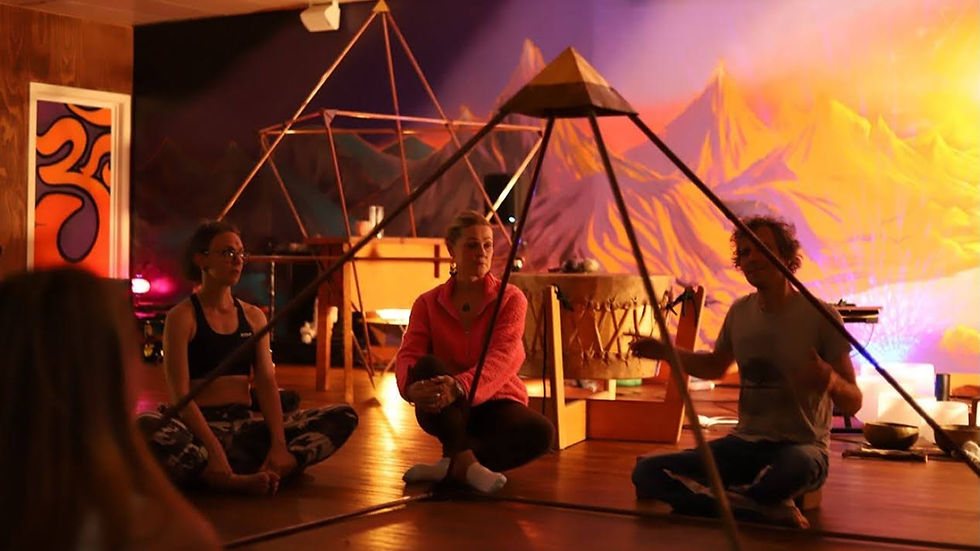
Crystal bowl sound healing sessions at Summer Healing, Brunswick.


Comments